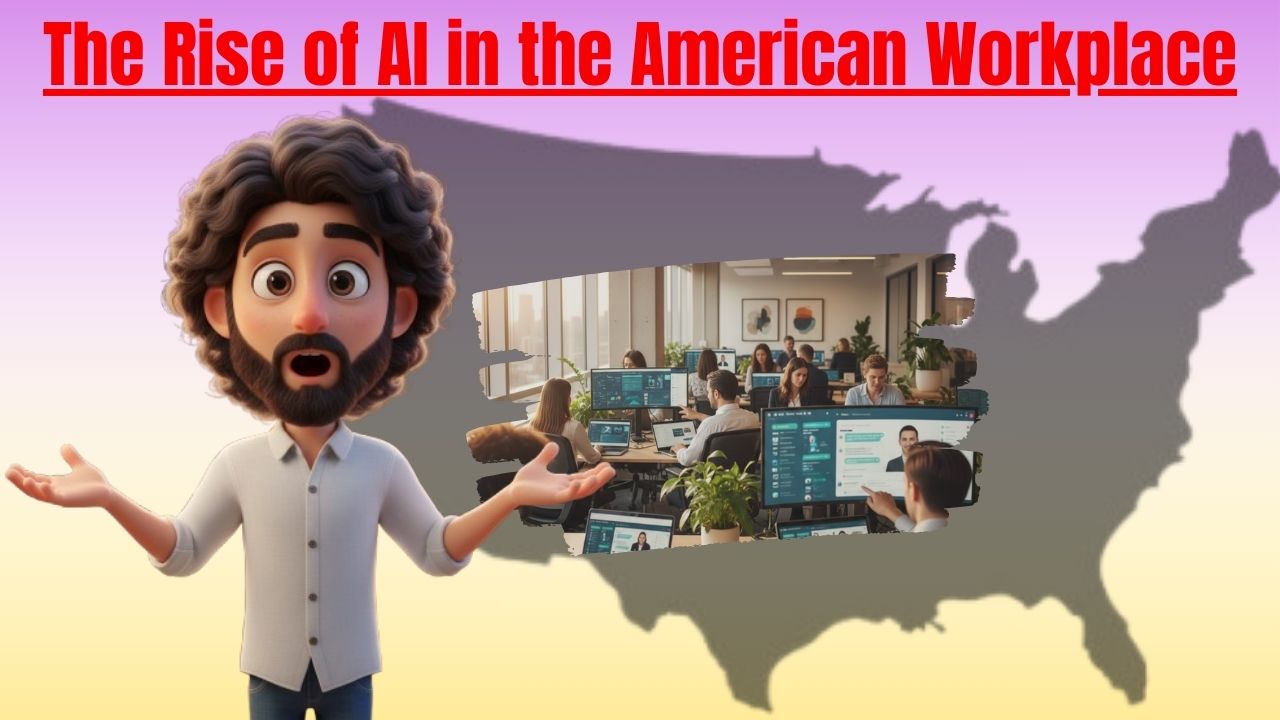
Artificial intelligence is no longer a futuristic concept discussed only in tech conferences. Americans turn to AI at work in growing numbers, and the shift is happening faster than many experts predicted. What started as experimentation with chatbots and automation tools has quickly evolved into daily usage across industries.
Recent official data confirms this transformation. According to a large workforce survey conducted by Gallup in October and November 2025 and published in January 2026, about 12 percent of U.S. employees now use AI daily in their jobs. Around 26 percent use it frequently, meaning a few times per week or more. Nearly half report at least occasional use.
This tells us something important. Americans turn to AI at work not just out of curiosity, but because it is becoming useful, practical, and time saving.
What the Official Data Actually Says
The Gallup workforce study surveyed more than 22,000 employed adults in the United States. The findings were later reported by major outlets including The Associated Press. The numbers show steady growth compared to 2023, when AI usage was significantly lower.
Here are the key facts:
- 12 percent of workers use AI daily
- 26 percent use AI frequently
- Nearly 50 percent use AI at least occasionally
These figures are not estimates from social media chatter. They are based on structured research. When Americans turn to AI at work at this scale, it signals a real workplace shift.
Where AI Adoption Is Growing Fastest
AI adoption is not equal across every industry. Technology, finance, education, and professional services are leading the way. Employees in these sectors often work with data, reports, research, and communication. AI tools fit naturally into these tasks.
In contrast, manufacturing, retail, and certain frontline service roles show slower adoption. The tools available today are more aligned with digital desk jobs.
Still, the pattern is clear. Americans turn to AI at work wherever digital workflows already exist.
How Workers Are Using AI Daily
Many people imagine AI doing complex scientific work. In reality, most usage is surprisingly practical.
Employees use AI for:
- Drafting emails and reports
- Summarizing long documents
- Generating marketing ideas
- Analysing spreadsheet data
- Research assistance
- Automating repetitive administrative tasks
This growth connects closely to trends like AI productivity tools for remote workers and generative AI adoption in corporate America. Workers want to save time. Businesses want efficiency. AI meets both needs.
Government Guidance
The U.S. government has acknowledged this shift. The U.S. Department of Labor released AI best practice guidance in October 2024 and continued workforce related updates throughout 2025. The focus has been responsible adoption, worker protections, and training.
The White House also published national AI strategy updates in mid-2025 outlining education initiatives and labour impact studies.
This means Americans turn to AI at work while policymakers are actively shaping how that adoption should happen. There is recognition at the highest levels that AI workforce transformation in the United States is real and ongoing.
Sources & official materials
| Source | Dated | Link |
|---|---|---|
| Gallup | Published on January 2026 | Frequent Use of AI in the Workplace Continued to Rise |
| The Associated Press | Published on 25th January, 2026 | AI use at work has increased, Gallup poll finds |
| U.S. Department of Labor | Official releases, Oct. 16, 2024 and follow-ups in 2025 | AI best practices and workforce guidance |
| White House | Action Plan materials, July 2025 | America’s AI Action Plan and related AI policy postings |
Why This Trend Is Accelerating
There are several reasons Americans turn to AI at work so quickly.
First, AI tools are easy to access. Many platforms offer free versions or built in integrations.
Second, remote and hybrid work increased demand for digital assistance. AI productivity tools for remote workers help fill that gap.
Third, competition pushes companies to innovate. Businesses exploring impact of artificial intelligence on US jobs want to stay ahead rather than fall behind.
Finally, employees themselves are driving adoption. Many workers experiment independently before companies officially adopt AI systems.
Concerns and Challenges
Not everything about this shift is simple.
Some workers worry about job displacement. Discussions around impact of artificial intelligence on US jobs are growing louder. Administrative and clerical roles may face higher risk if tasks are heavily automated.
There are also concerns about accuracy, bias, and data privacy. AI outputs require human review. Employers must build clear guidelines.
Still, Americans turn to AI at work despite these concerns, suggesting that the benefits often outweigh the risks in daily operations.
Read details on AI Romantic Relationships in America: Why Millions Are Turning towards Artificial Companions in 2026
The India and USA Connection
Interestingly, trends in the United States are closely watched in India. Many Indian companies working with global clients are also increasing AI adoption.
Search interest in topics like future of work with artificial intelligence 2026 and AI skills in demand in US and India continues to rise. Both countries are investing heavily in AI education and digital training programs.
This global connection makes Americans turn to AI at work a trend that influences international markets.
The Future of AI in the Workplace
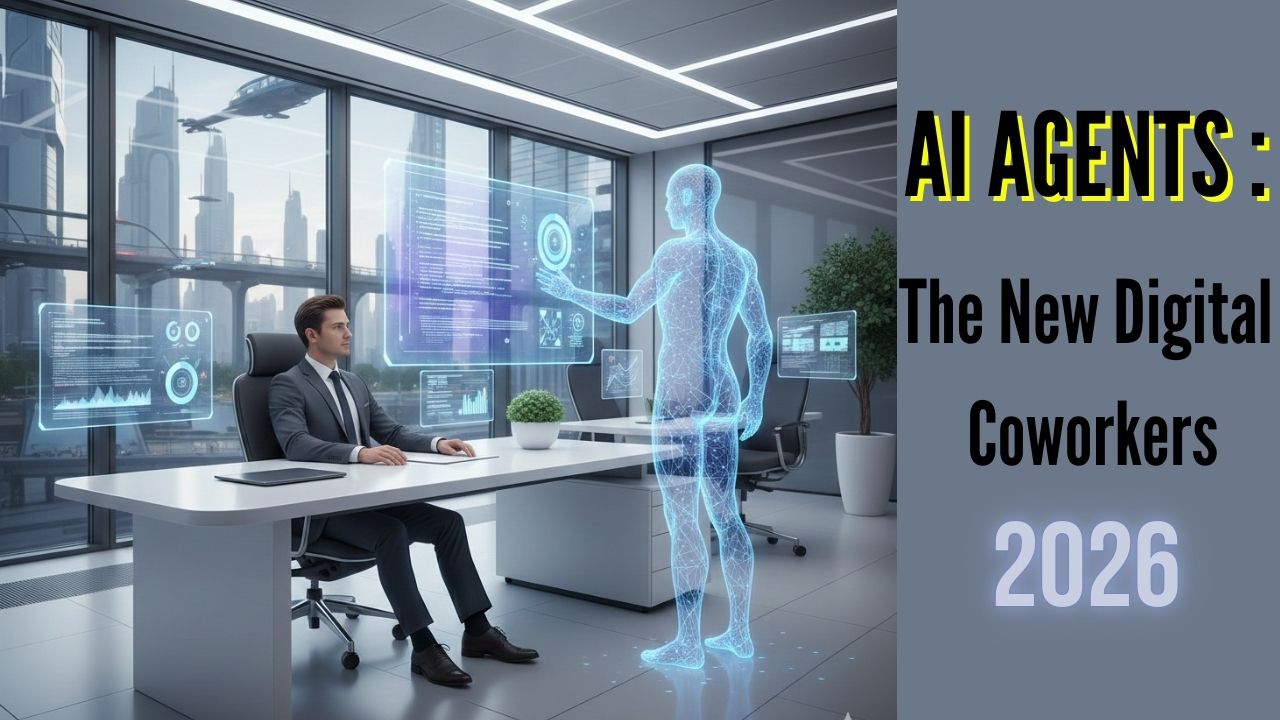
Looking ahead, AI will likely move from assistant to collaborator. We may see:
- Smarter AI agents managing workflows
- Automated customer interaction systems
- Enhanced data driven decision tools
- Personalized AI training systems
As businesses continue to evaluate generative AI adoption in corporate America, investment in AI literacy will become essential.
The future of work with artificial intelligence 2026 discussions are already happening. Companies are planning for long term integration, not short-term experimentation.
Why This Moment Matters
When Americans turn to AI at work in such significant numbers, it marks a cultural shift. Technology is no longer optional. It is becoming embedded in professional identity.
Workers who understand AI tools may gain competitive advantages. Organizations that provide proper training may see productivity growth. Policymakers who monitor AI workforce transformation in the United States will shape long term labour stability.
This is not hype. It is measurable, documented change.
Conclusion
The data is clear. Americans turn to AI at work faster than ever before. With 12 percent using it daily and 26 percent using it frequently, AI has moved into the mainstream of professional life.
Government guidance from the U.S. Department of Labor and national strategy updates confirm that policymakers are watching closely. Businesses are adapting. Workers are learning.
Along with this in India, the rise of AI in American workplaces is a strong signal for businesses and professionals. As global markets align, Indian companies must invest in AI skills, training, and responsible adoption to stay competitive in the evolving digital economy.
The story is still unfolding, but one thing is certain. AI is no longer knocking on the workplace door. It is already inside.
FAQs
Q1. How many Americans use AI at work daily?
About 12 percent of employed U.S. adults report daily use, according to Gallup data collected in late 2025.
Q2. Which industries use AI the most?
Technology, finance, education, and professional services show the highest adoption rates.
Q3. Is the U.S. government regulating AI at work?
The Department of Labor has issued best practice guidance, and national AI strategy updates were published in 2025.
Q4. Will AI replace jobs?
AI may automate certain tasks, especially repetitive administrative work. However, many roles are evolving rather than disappearing.
Q5. Is AI adoption growing in India too?
Yes. Interest in AI skills in demand in US and India continues to grow as both countries invest in digital transformation.