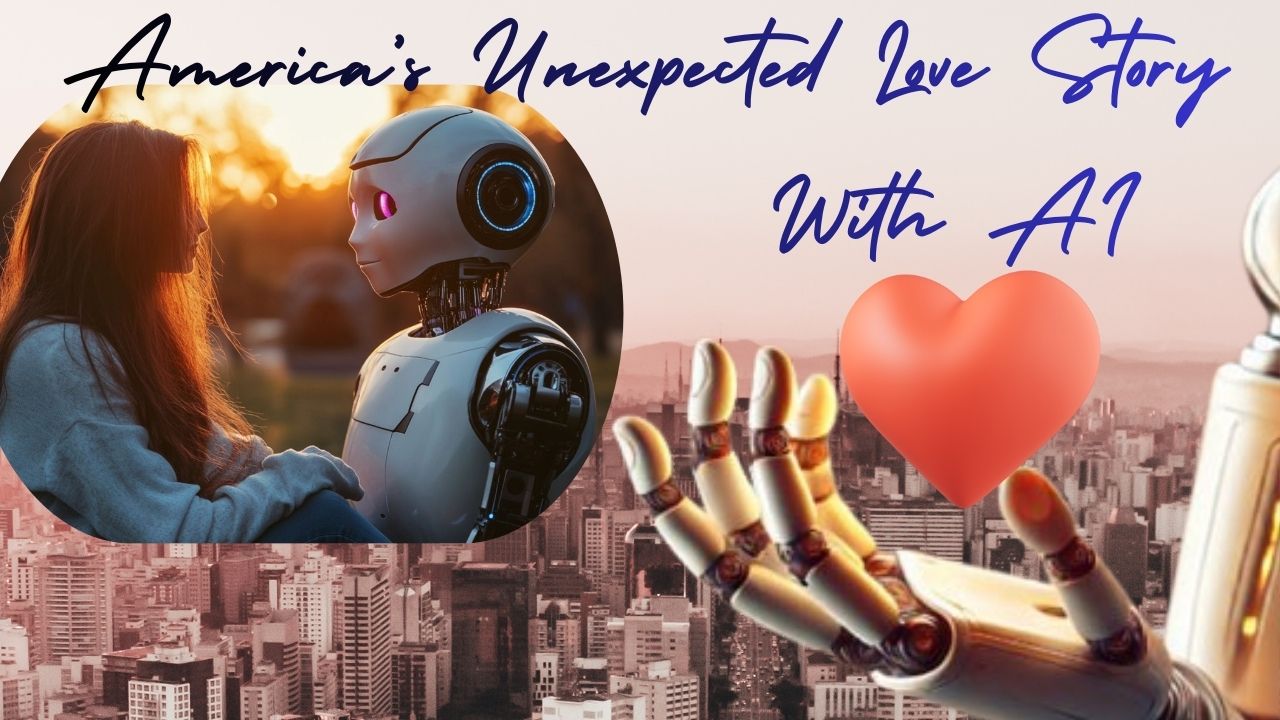
In recent years, artificial intelligence has moved far beyond productivity tools and voice assistants. Today, AI is entering one of the most personal areas of human life: romance. A growing number of reports and surveys suggest that AI romantic relationships in America are no longer rare or shocking. In fact, they are becoming a quiet but powerful social trend.
From late-night emotional conversations to flirtatious chats and even perceived companionship, people are increasingly forming bonds with AI systems. What once sounded like science fiction is now part of everyday reality for millions of Americans.
This article explores why this trend of AI Romantic Relationships in America is happening, what the data really says, and what AI and romance mean for the future of human connection.
The Survey That Sparked National Attention
In 2025, a widely discussed study revealed surprising AI romantic relationships in America statistics. According to the findings, nearly one in three American adults reported experiencing some form of romantic or intimate interaction with an AI system. This didn’t always mean “dating” in the traditional sense, but it did include emotional closeness, flirting, or feeling understood by an AI.
The AI intimacy survey USA became a major talking point because it highlighted something deeper than technology adoption. It showed how emotional needs are increasingly being met by machines designed to simulate understanding and empathy.
What Counts as an AI Romantic Relationship?
Not everyone defines romance the same way. For some, a romantic relationship with AI bot simply means playful or flirtatious conversations. For others, it involves emotional reliance, daily chats, or sharing personal thoughts they don’t feel comfortable expressing to humans.
Many users interact with an AI relationship app or conversational system without believing it is truly conscious. Yet the emotional experience can still feel real. This is why experts say intent and emotional impact matter more than technical definitions.
Why AI Feels So Emotionally Engaging
Modern AI systems are built to respond in ways that feel natural, supportive, and non-judgmental. They remember preferences, adapt tone, and respond with empathy-like language. This makes interactions feel personal and emotionally safe.
For people dealing with stress, anxiety, or isolation, talking to an AI relationship bot can feel easier than navigating complex human emotions. There is no fear of rejection, embarrassment, or misunderstanding.
This is one reason AI Romantic Relationships in America has established and those people having relationships with AI often describe the experience as comforting rather than strange.
AI and Loneliness in America
To understand this trend, we must look at AI and loneliness in America. Studies over the past decade have shown rising loneliness across age groups, especially among young adults and older individuals living alone.
Remote work, social media fatigue, and declining face-to-face interactions have left many Americans emotionally disconnected. AI steps into this gap as a constant presence as always available, always listening.
For some, emotional attachment to AI doesn’t replace human relationships but fills emotional gaps during difficult times.
Are Americans Really Dating AI?
The idea of Americans dating AI may sound exaggerated, but it reflects a real shift in behaviour. While most users don’t consider AI a life partner, they do engage in emotionally meaningful interactions.
Some even seek AI relationship advice, asking chatbots for help with dating, breakups, or communication issues. Over time, this advice-based interaction can evolve into emotional reliance, blurring the line between tool and companion.
This is why ChatGPT relationships and similar conversational experiences are being discussed not just as tech features, but as social phenomena.
Which AI systems are involved?
According to the survey data on AI Romantic Relationships in America:
- ChatGPT was listed as the AI platform most commonly involved in such relationships.
- Other chatbots and assistants like Character.ai, Amazon Alexa, Apple Siri, and Google Gemini were also mentioned.
These include both dedicated companion-style AI chatbots and more general assistants, which may blur lines between utility and social interaction.
The Psychology Behind Human-AI Relationships
Psychologists explain human AI relationships through a simple concept: humans are wired to respond emotionally to language and attention. When something listens, responds kindly, and remembers details, our brains react; even if we know it’s artificial.
This doesn’t mean users are confused or detached from reality. Many are fully aware they’re talking to AI, yet still feel comforted. The emotional response is real, even if the source is not human.
Is This Trend Healthy or Harmful?
The rise of AI romantic relationships in America has sparked debate among experts. Some argue that AI can provide emotional support, reduce loneliness, and help people practice communication skills.
Others warn about potential risks:
- Emotional dependency
- Reduced motivation for real-world relationships
- Privacy concerns related to intimate data
- Unrealistic expectations of human partners
The concern grows when AI becomes a replacement for human connection instead of a temporary or supportive tool.
The AI Love Trend of 2025 continuing to 2026
The AI love trend 2025 is no longer slowing down as we move into 2026. Instead, it is quietly becoming part of everyday life. People are not turning to AI because they prefer machines. They are turning to AI because it feels easier, safer, and more predictable in an emotionally complex world.
What began as curiosity and casual emotional chats has evolved into deeper patterns of companionship. As AI romantic relationships in America grow more visible, people are using AI not just for conversation, but for comfort, emotional validation, and even relationship guidance.
Advancements in conversational memory and emotional responsiveness have strengthened human AI relationships, making interactions feel more personal and consistent.
In 2026, the focus is shifting from shock to reflection: why are so many people finding emotional safety in AI?
The answer lies less in technology itself and more in modern loneliness, digital fatigue, and the human need to feel understood, those needs which AI increasingly fulfils without judgment.
In 2026, try the Top 10 most trending Gemini AI Photo Editing Prompts for Couples . Click here
Global Overview: AI Love Trend Worldwide
The AI love trend or the AI Romantic Relationships in America is not limited to only United States, it is unfolding worldwide. Recent global studies estimate that 20–30% of internet users across North America, Europe, and parts of Asia have engaged in emotionally meaningful conversations with AI, including romantic or intimate exchanges. Countries like Japan, South Korea, China, and the UK show rising use of AI companion apps, driven by urban isolation and digital-first lifestyles. Worldwide downloads of AI companion and relationship apps crossed hundreds of millions by 2025, signalling strong momentum into 2026. Globally, AI and romance reflect a shared human response to loneliness, stress, and the growing desire for always-available emotional support in a hyperconnected world.
What the Future May Look Like
As AI Romantic Relationships in America continues to evolve, emotional interactions will become more realistic. This makes conversations around ethics, transparency, and mental health more important than ever.
Future discussions may focus on:
- Clear boundaries for emotional AI
- User awareness and education
- Mental health guidelines
- Data protection for intimate conversations
AI will likely remain a companion for some but the challenge will be to ensure that it supports human relationships rather than replacing them.
Final Thoughts
AI romantic relationships in America are not just a trend; they are a mirror reflecting modern emotional struggles. The technology itself is neutral. What matters is how people use it and why they feel drawn to it.
At its core, this story isn’t about humans falling in love with machines. It’s about humans searching for connection, understanding, and comfort in a fast-changing world and finding it in unexpected places.
As AI becomes more embedded in daily life, the conversation must shift from judgment to understanding. Because behind every AI interaction is a very human need to feel heard.
FAQs
Q1. Are AI Romantic Relationships in America very common?
Yes. Recent surveys suggest nearly one-third of Americans have experienced some form of romantic or emotional interaction with AI.
Q2. Is it unhealthy to form emotional bonds with AI?
Not always. It becomes a concern when AI replaces real human connection or causes emotional dependency.
Q3. Which AI chatbots are involved in these relationships?
Mostly conversational AI tools and companion-style chatbots designed for personalized interaction.
Q4. Is there any government regulation on AI companionship?
Currently, no specific U.S. laws regulate AI romantic relationships, but discussions are ongoing.
Q5. Will AI change the future of dating?
Experts believe AI will influence dating but not fully replace human relationships.