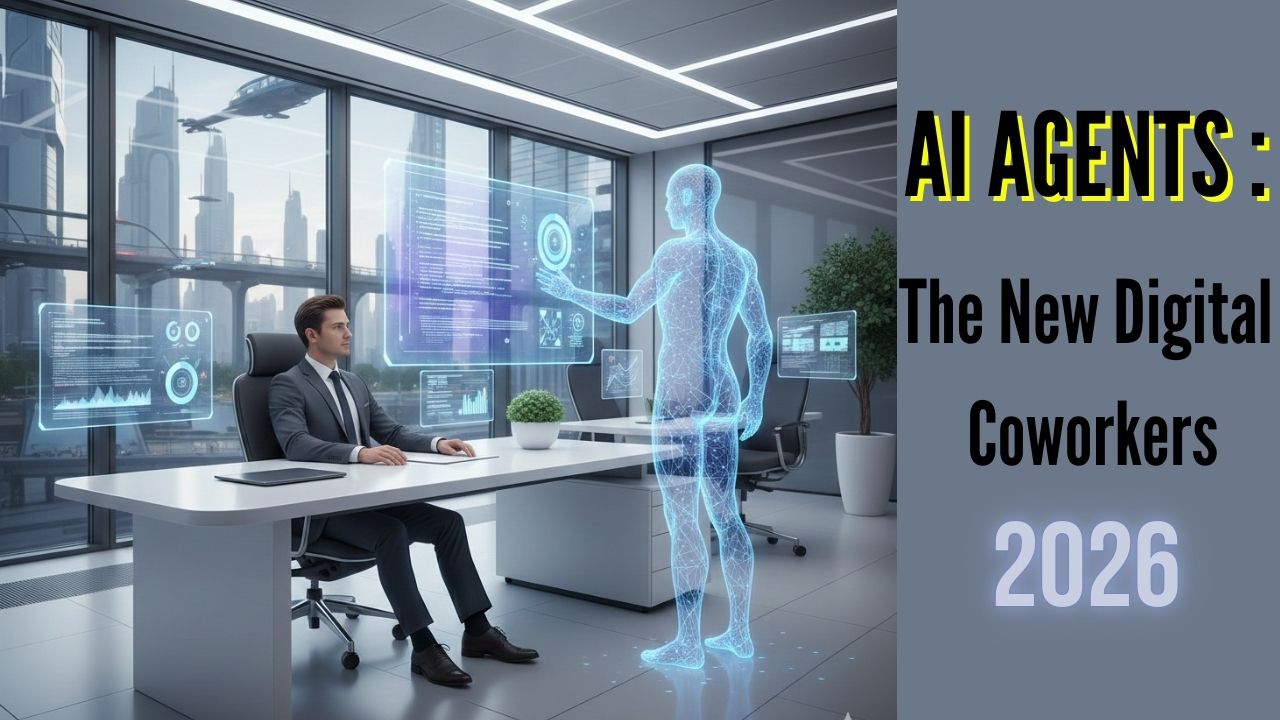
Artificial intelligence is entering a new phase. AI agents in the workplace 2026 will no longer act only as a tool we command, additionally it will work alongside us as intelligent agents. These AI agents can plan tasks, make decisions, learn from context, and execute actions with minimal human input. This shift is expected to fundamentally change how businesses operate and how people work every day.
From handling routine tasks to supporting decision-making and improving collaboration, AI agents are shaping the future of work faster than many expected. Based on global industry trends and enterprise adoption patterns, this shift will reshape how offices will operate, how teams will collaborate, and how individuals will spend their working hours.
Powerful ways by which AI agents in the workplace 2026 will bring transformation
Below are the fundamental ways AI agents will transform work :
1. AI Agents At Work Will Take Over Repetitive Tasks
In 2026, AI agents will handle everyday tasks such as scheduling meetings, organizing emails, preparing reports, and updating systems. These agents work continuously in the background, reducing manual effort and saving valuable time.
Employees will no longer need to spend hours on repetitive administrative work. Instead, they can focus on strategic thinking, creativity, and problem-solving, the areas where humans add the most value.
2. Workflows Will Become Autonomous and Faster
Traditional automation follows fixed rules. AI agents in the workplace 2026 will go further by understanding goals and completing multi-step workflows on their own and will establish AI agents’ automation.
For example, an AI agent can receive a customer request, check inventory, update records, notify teams and generate invoices, that to all without any human intervention. This makes business operations faster, more accurate, and more scalable.
3. AI Agents Will Improve Decision-Making
AI agents will act as real-time decision assistants. They can analyse large amounts of data, detect patterns, and present insights that help leaders make informed choices quickly.
Instead of replacing human judgment, AI agents in the workplace 2026will support it by offering forecasts, risk alerts, and scenario comparisons that allow teams to act with confidence.
4. Collaboration Will Become Smarter and Borderless
Remote and hybrid work will benefit greatly from AI agents. These systems can summarize meetings, translate conversations, track action items, and ensure nothing gets missed.
AI agents help teams across different time zones work smoothly by managing communication, organizing tasks, and keeping everyone aligned without extra effort.
5. Customer Experience Will Become Faster and More Personal
AI agents in the workplace 2026will transform customer support and service roles. Instead of basic chatbots, intelligent agents will understand customer history, intent, and context.
They will offer quick, personalized responses, solve problems instantly, and escalate only complex issues to humans. This improves customer satisfaction while reducing workload on support teams.
6. Employees Will Work With AI, Not Compete Against It
AI agents are not replacing humans, they are only changing roles. Employees will become supervisors, reviewers, and decision-makers rather than manual executors.
New skills like AI understanding, critical thinking, creativity, and ethical judgment will become more valuable. Human-AI collaboration will define the modern workplace.
7. Continuous Learning Will Become a Part of Daily Work
AI agents will also act as personal learning assistants. They can identify skill gaps, recommend short learning modules, and help employees upskill while working.
Instead of separate training sessions, learning will happen naturally during everyday tasks which will subsequently help workers to stay relevant in a fast-changing job market.
The transformation is driven by real technical advancements and early enterprise adoption trends, as illustrated by the Google Cloud 2026 AI Agent Trends Report. Read here
Workplace AI Trends 2026
In 2026, workplace AI will focus on autonomous AI agents, end-to-end workflow automation, real-time decision support, and AI-driven productivity tools. Businesses will prioritize responsible AI, data security, and employee upskilling to ensure humans and intelligent systems work together effectively.
Human AI Collaboration 2026
Human AI collaboration in 2026 means people working alongside AI agents as partners. AI handles repetitive tasks and data analysis, while humans provide creativity, judgment, empathy, and ethical oversight and hence creating smarter, faster, and more balanced workplaces.
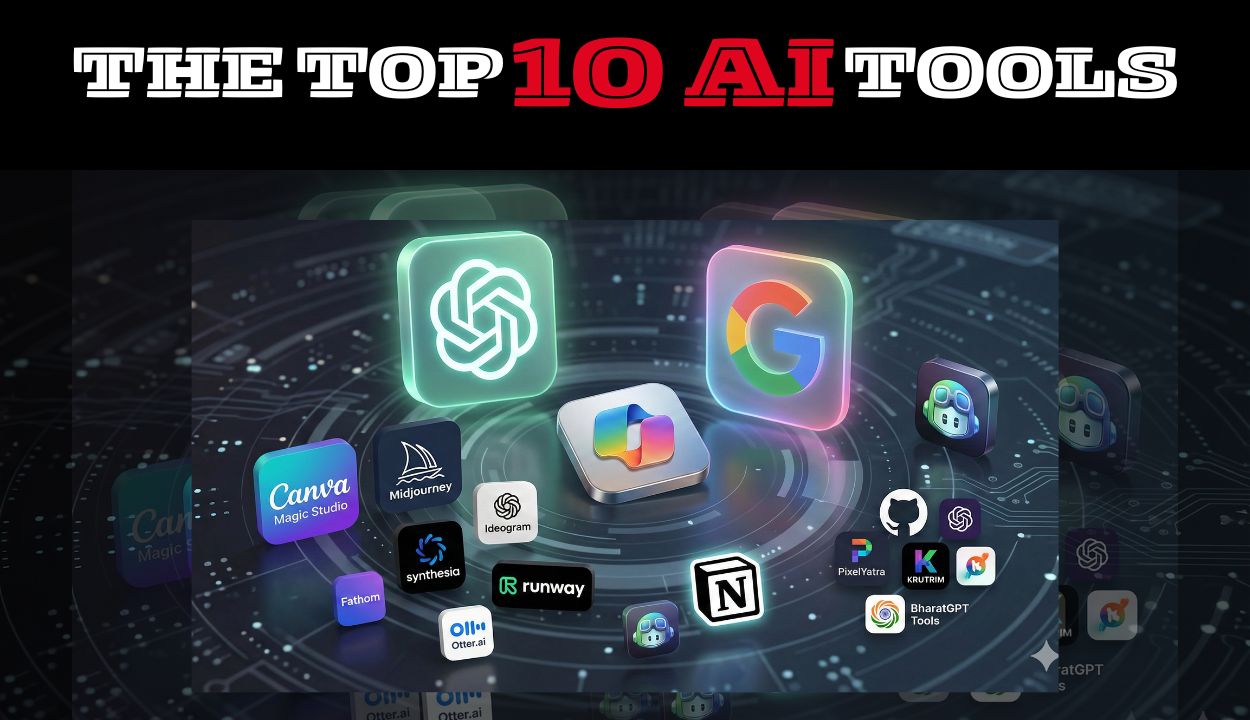
Also read Top 10 AI Tools You Should Use in 2025 Click here
Conclusion
AI agents are not here to replace people; they are here to change how work gets done and also act as personal learning assistants for employees.
AI agents in the workplace 2026 will become an invisible yet powerful part of the workplace. They will handle routine work, manage workflows, support decisions, and help humans focus on what truly matters.
The future of work belongs to those who learn how to work with intelligent systems, not against them.
The future of work will not only be about humans versus machines: it will be about how humans working smarter with intelligent agents.
FAQs
Q1. What are AI agents in the workplace?
AI agents are intelligent systems that can plan, decide, and complete tasks autonomously while learning from data and context.
Q2. Will AI agents replace human jobs in 2026?
AI agents will automate routine tasks, but most jobs will evolve rather than disappear, focusing more on human skills.
Q3. How do AI agents improve productivity?
They save time by handling repetitive work, managing workflows, and providing real-time insights for better decisions.
Q4. Which industries will benefit most from AI agents?
IT, finance, healthcare, customer support, manufacturing, and marketing will see major benefits from AI agents.
Q5. Do employees need new skills to work with AI agents?
Yes. AI literacy, critical thinking, and decision-making skills will become increasingly important.